| [1] |
Zhou Wensi, Guo Meng, Chen Qingbo, Wang Quan, Li Wei.
Comparative analysis of published literature in Chinese and English on multidrug-resistant tuberculosis from 2004 to 2025
[J]. Chinese Journal of Antituberculosis, 2026, 48(4): 541-549.
|
| [2] |
Zhu Qingdong, Zhao Chunyan, Huang Xuewen, Huang Aichun, Zeng Chunmei, Xu Chaoyan, Lan Yanqun, Song Chang.
The application value of nanopore sequencing in the diagnosis of tuberculous serous effusion and screening for coinfections
[J]. Chinese Journal of Antituberculosis, 2026, 48(3): 335-341.
|
| [3] |
Xu Liang, Dai Enuo, Yang Yongrui, Ruan Wenkai, Li Jianlong, Dang Rongpan, An Huigang, Zhao Wentao, Li Zhaofei, Zhao Yingxin, Li Ying, Sun Jianmin, Tan Hongdong.
Observation on the effect of traditional Chinese medicine syndrome differentiation and treatment combined with standard anti-tuberculosis regimen on postoperative rehabilitation in patients with spinal tuberculosis
[J]. Chinese Journal of Antituberculosis, 2026, 48(3): 356-365.
|
| [4] |
Chen Shuangshuang, Wang Nenhan, Zhao Yanfeng, Fan Ruifang, Tian Lili, Chen Hao, Luo Ping, Li Jie, Li Chuanyou, Dai Xiaowei.
Application value of MeltPro two-step method in tuberculosis diagnosis and drug resistance screening
[J]. Chinese Journal of Antituberculosis, 2025, 47(7): 893-900.
|
| [5] |
Ou Xichao, Teng Chong, Song Yuanyuan, Zheng Yang, Chen Lei, Zhu Jun, Wang Jianguo, Pan Zhaobao, Kang Haitao, Wang Yan, Yao Hongyan, Huang Fei.
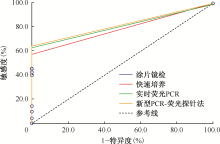
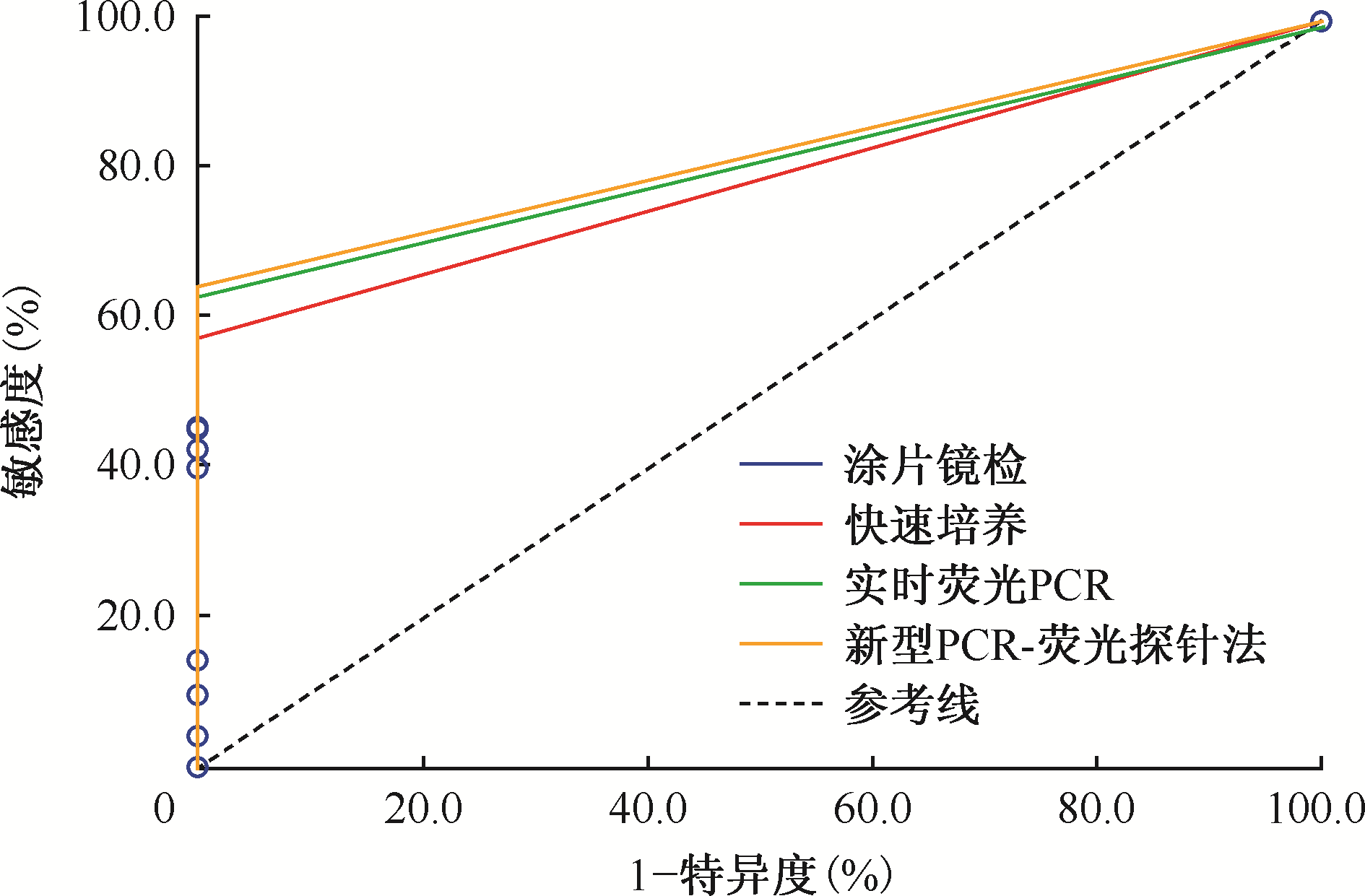
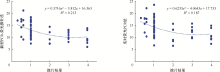
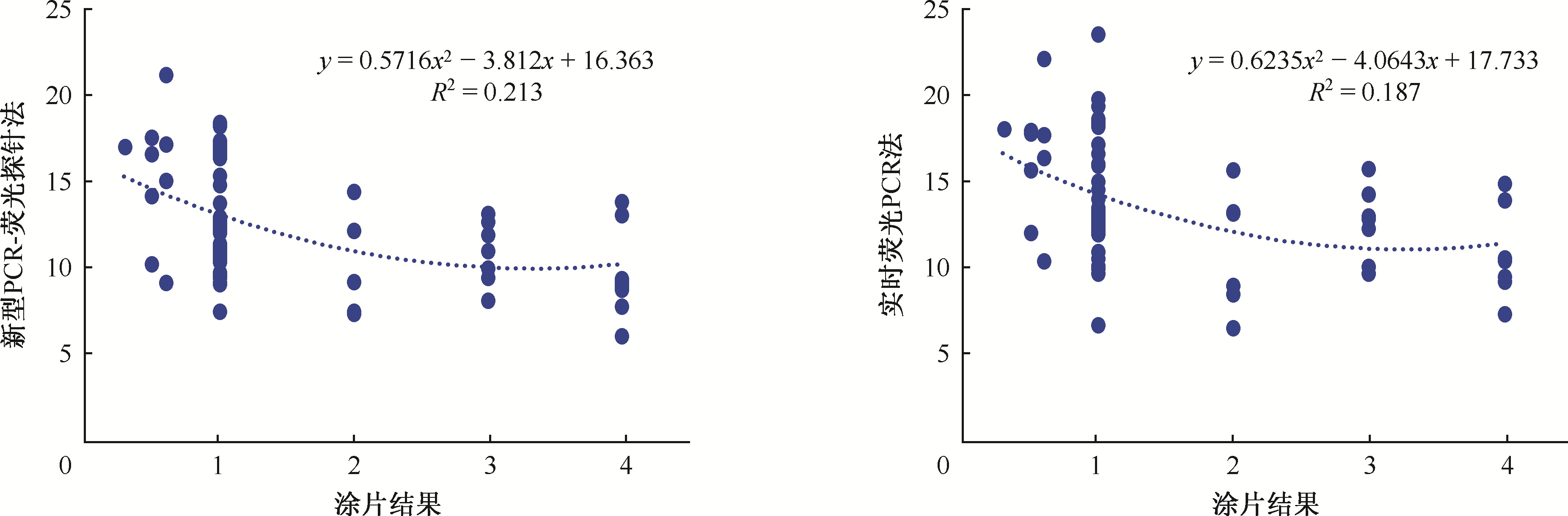
Multicenter evaluation study on the application of a novel PCR fluorescence probe technology for early diagnosis of tuberculosis
[J]. Chinese Journal of Antituberculosis, 2025, 47(6): 687-693.
|
| [6] |
Zhao Yanfeng, Tu Xia, Wang Nenhan, Chen Shuangshuang, Tian Lili, Fan Ruifang, Yu Lan, Li Jie, Li Chuanyou, Dai Xiaowei.
Contribution analysis of three diagnostic methods in the etiological detection of pulmonary tuberculosis patients
[J]. Chinese Journal of Antituberculosis, 2025, 47(6): 701-707.
|
| [7] |
Wu Zhuhua, Wang Yong, Lai Xiaoyu, Ji Liwei, Chen Ruiming, LYU Chunfang, Xu Liuyue, Guo Huixin, Chen Yuhui, Liang Hongdi, Liu Shengyuan, Zhong Xinguang, Chen Xunxun.
Evaluation of the diagnostic performance of the MiniDock MTB Test for rapid tuberculosis detection
[J]. Chinese Journal of Antituberculosis, 2025, 47(5): 577-581.
|
| [8] |
Sun Xiaoke, Wei Jinxing, Zhang Chunyan, Liang Ruixia, Shi Huimin, Ruan Xianglin, Duan Hongfei.
The value of nanopore-targeted sequencing technology in the diagnosis of granulomatous diseases in formalin-fixed paraffin-embedded tissues
[J]. Chinese Journal of Antituberculosis, 2025, 47(5): 582-588.
|
| [9] |
Ying Guangzhi, Cai Qingshan, Ma Xiaoqing, Chen Lingyan, Chen Yuanyuan.
Diagnostic value of Nanopore targeted sequencing for detecting nontuberculous mycobacteria in respiratory specimens
[J]. Chinese Journal of Antituberculosis, 2025, 47(5): 589-596.
|
| [10] |
Qiu Yong, Quan Zhuo, Qu Rong, Tian Fajun, Li Meng, Wang Gengsheng, Wang Ya, Guo Mingcheng, Gao Qian.
Evaluation of different tuberculosis diagnostic tools for detecting patients in a primary-level clinic in rural China: a real-world retrospective study
[J]. Chinese Journal of Antituberculosis, 2025, 47(2): 181-188.
|
| [11] |
Chen Lei, He Xiaoying, Yang Guang, Yu Chunqi, Han Aizhen, Zheng Weijie, Yin Xiangyu, Han Shouhua.
The early diagnostic value of fluorescence quantitative PCR in bronchoalveolar lavage fluid for sputum smear-negative pulmonary tuberculosis
[J]. Chinese Journal of Antituberculosis, 2025, 47(12): 1616-1620.
|
| [12] |
Zhu Qingdong, Song Chang, Huang Aichun, Zeng Chunmei, Li Weiwen, Tan Qiuqing, Zhao Chunyan, Xie Zhouhua.
The application value of performing nanopore sequencing on bronchoalveolar lavage fluid in the diagnosis of pulmonary tuberculosis
[J]. Chinese Journal of Antituberculosis, 2025, 47(11): 1474-1480.
|
| [13] |
Ning Fenggang, Fang Kun, Wang Jue, Lyu Yan, He Wei, Hou Dailun.
Application of magnetic resonance 3D BRAVO enhanced scanning in the imaging diagnosis of intracranial tuberculosis
[J]. Chinese Journal of Antituberculosis, 2025, 47(11): 1489-1494.
|
| [14] |
Chen Jifei, Huang Lihua, Luo Lanbo, Sui Wenxian, Pang Yu, Liu Aimei.
Evaluation the efficacy of tongue swab-based PCR fluorescence probe method for pulmonary tuberculosis
[J]. Chinese Journal of Antituberculosis, 2025, 47(1): 51-60.
|
| [15] |
Song Hongge, Liu Weigao, Chen Li.
A comparative study on the therapeutic effects of total hip joint type spacer and pressure model spacer in patients with mid to late stage hip tuberculosis
[J]. Chinese Journal of Antituberculosis, 2024, 46(5): 562-566.
|

 )
)
 京公网安备11010202007215号
Total visitors: Visitors of today: Now online:
京公网安备11010202007215号
Total visitors: Visitors of today: Now online:
 This work is licensed under Creative Commons Attribution 3.0 License.